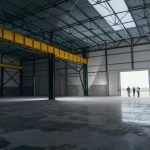

Landowners face significant hurdles securing local zoning and permits for steel buildings due to strict setback requirements, height limitations, and lot coverage caps. Furthermore, local codes may expressly restrict the construction of metal structures in certain zones or impose rigorous architectural reviews, meaning a project can stall long before construction even begins.
Because structures like large garages, RV storage, or farm operations serve specific, sometimes non-conforming, uses, landowners often must apply for a Conditional Use Permit (CUP) or seek zoning variances to proceed. This process typically involves multi-step applications, environmental or site impact studies, and navigating public hearings where community pushback can derail the project.
Finally, if the structure requires utilities like electricity or plumbing, landowners must satisfy additional permitting and building code hurdles. Localized building codes often require engineered, state-stamped blueprints tailored to specific regional wind and snow loads, while failure to properly address foundation and site drainage regulations can lead to costly application rejections or permit revocations.
If you are planning a steel building project, you’ll want to specifically look up exactly what is needed for your area:
- What specific zone is your property in (e.g., agricultural, residential, commercial)?
- Do you plan to run utilities to the building?